
October 2024
Published by the Law Offices of Alena Shautsova, 2908A Emmons Ave, Brooklyn, New York 11235
175 Eileen Way, Syosset NY 11791
Subscribe to our monthly free legal updates, SHAUTSOVA’S UPDATE.
Follow our Blog Posts commenting on the latest developments in the immigration and civil rights world
http://www.workharassmentattorneys.com/
http://www.russianspeakinglawyerny.com



“Be the change that you wish to see in the world.”
― Mahatma Gandhi
LIKE OUR FACEBOOK PAGE FOR THE LATEST UPDATES:
YouTube: https://www.youtube.com/@@immigrationlawyerny
TikTok: https://www.tiktok.com/@realimmigrationlawyerny
Посетите наш YouTube-канал для русско-язычной аудитории: https://www.youtube.com/@LawyerAlenaShautsova
Посетите наш TikTok -канал для русско-язычной аудитории:: https://www.tiktok.com/@alenashautsova295?lang=en
- What Happens If Green Card Expires?
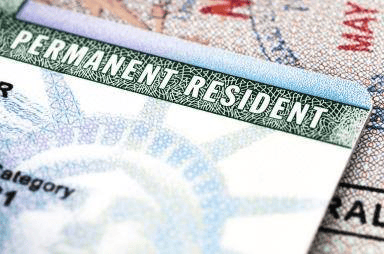
What to Do When Your Green Card Is Expiring While Applying for Citizenship
Author: USA Immigration Lawyer
As an immigration lawyer, one of the most frequent concerns I hear from clients is about their green card expiring while they’re in the process of applying for U.S. citizenship. If your Permanent Resident Card (Green Card) is nearing its expiration date, and you’re planning or have already started your citizenship journey, you might wonder if you need to renew the card or can proceed directly with your naturalization application. This blog post will break down the steps to ensure your immigration status remains secure, including how to apply for citizenship and how to renew your green card if necessary.
Can You Apply for Citizenship With an Expired Green Card?
Yes, you can apply for U.S. citizenship with an expired green card. U.S. immigration law does not specifically require that your green card be valid when applying for naturalization. However, you are required to maintain your status as a lawful permanent resident during the citizenship process. Some individuals choose to renew their green card while they wait for their naturalization to be approved, while others move forward without renewing.
It’s important to note that carrying a valid green card is required by law. So, if your green card has expired or will expire soon, you should carefully consider whether renewing it is the right decision for you. Additionally, if you plan to travel abroad during the citizenship process, an expired green card can cause significant issues when re-entering the U.S., making the renewal process even more critical.
Can You Be Deported If Your Green Card Expired?
When your green card expires it means that it is time to renew it, but it does not mean that your status as a green card holder expired. Because of that, an expired green card does not serve as any ground for deportation or removal.
Why Should You Renew Your Green Card?
While U.S. immigration law allows you to apply for citizenship with an expired green card, there are a few practical reasons to consider renewing your card:
- Travel Issues: If your green card expires while traveling outside the U.S., you may encounter problems when attempting to re-enter. Airlines may refuse to let you board flights back to the U.S., and U.S. Customs and Border Protection may prevent entry.
- Employment: Many employers require valid proof of your legal status in the U.S., and an expired green card may make it difficult to verify employment eligibility.
- Identification: Your green card serves as a primary form of identification in many situations. While it doesn’t expire your status, its expiration could cause difficulties when trying to open bank accounts or apply for a driver’s license.
Step-by-Step Guide: How to Renew Your Green Card
If you’ve decided to renew your green card before or during your citizenship process, follow these steps:
1. Submit Form I-90
To renew your green card, you need to submit Form I-90 (Application to Replace Permanent Resident Card) to the U.S. Citizenship and Immigration Services (USCIS). This form can be completed and filed online or by mail. You’llneed to pay the required filing fee, which is currently $540 as of 2024, including the biometric fee.
Steps to file Form I-90:
- Visit the USCIS I-90 page and create an account if you wish to file online.
- Complete the form with your personal information, including your Alien Registration Number (A-Number).
- Upload the necessary documentation. This might include a copy of your expired or expiring green card, and if your card was lost or damaged, additional proof of your lawful permanent resident status.
- Pay the filing fee.
- Once submitted, USCIS will send a receipt notice (Form I-797), which extends your green card validity by 24 months while your renewal is processed.
2. Attend a Biometrics Appointment
After filing Form I-90, you’ll likely receive a notice to attend a biometrics appointment at your nearest Application Support Center (ASC). At this appointment, USCIS will collect your fingerprints, photograph, and signature to update your file.
3. Receive Your New Green Card
Once your application is processed and approved, you’ll receive your new green card by mail. Processing times for green card renewals can vary, but on average, it takes 7-10 months for USCIS to issue the new card. However, the 24-month extension given through Form I-797 should provide you with the necessary documentation while waiting.
Step-by-Step Guide: Applying for U.S. Citizenship
If your green card is nearing expiration and you’re eligible for naturalization, you can submit Form N-400 (Application for Naturalization) instead of or alongside renewing your green card. Here’s how to apply:
1. Meet Eligibility Requirements
Before applying, ensure that you meet the eligibility criteria for U.S. citizenship:
- You must have been a permanent resident for at least 5 years (or 3 years if applying based on marriage to a U.S. citizen).
- You must be at least 18 years old.
- You should have been physically present in the U.S. for at least 30 months out of the past 5 years.
- You must demonstrate good moral character and the ability to read, write, and speak basic English.
2. File Form N-400
Next, complete and file Form N-400. Like the I-90 form, you can file this form online through the USCIS website or by mail. You will need to include a copy of your green card, even if it is expired.
Steps to file Form N-400:
- Visit the USCIS N-400 page to file online or download the paper form.
- Complete the form with your personal details, travel history, and employment history.
- Submit supporting documentation, including your green card (valid or expired) and proof of residency.
- Pay the filing fee, which is $760 (paper filing)
- 3. Attend Biometrics Appointment
As with the green card renewal, you will be required to attend a biometrics appointment for your citizenship application. The biometrics process is the same, involving fingerprinting, photos, and signature.
4. Attend the Naturalization Interview
Once your application is processed, USCIS will schedule you for a naturalization interview. During this interview, a USCIS officer will review your application, ask you questions, and administer the civics and English tests.
5. Take the Oath of Allegiance
If you pass the interview and tests, you will be scheduled for an oath ceremony. After taking the Oath of Allegiance, you will officially become a U.S. citizen! At this point, the officers will ask you to surrender your green card. You will also have to sign an affirmation that no significant changes have occurred between the interview and the oath to make sure that you are still eligible for the citizenship.
Conclusion
Applying for citizenship while your green card is expiring can be done seamlessly if you follow the steps outlined. While you’re not required to have a valid green card to apply for naturalization, renewing it can save you from potential inconveniences. By filing Form I-90 for renewal and Form N-400 for naturalization, you can ensure that your immigration status is fully secure. For more information and assistance with your case, contact an immigration lawyer to guide you through the process smoothly.
Talk to us about your immigration case: 917 885 2261.
2. Biden’s PIP Executive Action: Expanding Immigration Relief Beyond Military Families with Form I-131F
Author: Greg Abrams
The Parole in Place (PIP) program has long been recognized as a critical immigration relief tool for undocumented family members of U.S. military personnel. However, recent actions under the Biden administration have broadened the scope of this essential program, no longer restricting it solely to military families. The Keeping Families Together initiative, implemented through Biden’s PIP Executive Action, allows more families to benefit from immigration relief, with a new streamlined process via Form I-131F.
This expanded initiative offers much-needed support to families facing the risk of separation due to immigration status. Drawing insights from Shautsova Law Office, USCIS, AILA, and community-focused sources like Immigration Lawyer NY’s Facebook page and YouTube channel, this article provides a detailed overview of the Parole in Place expansion, the criteria for qualifying under this program, and how Form I-131F can help families stay united.
What is Parole in Place (PIP)?
Parole in Place (PIP) is an immigration relief program that has historically allowed certain undocumented individuals who are immediate family members of U.S. military personnel to remain lawfully in the United States. Through PIP, individuals can obtain deferred action, work authorization, and relief from deportation, ultimately allowing them to adjust status to lawful permanent residency without having to leave the country.
Previously, the PIP program was limited to the spouses, children, and parents of U.S. service members, veterans, and those serving in the National Guard or reserves. However, under President Biden’s Executive Action, the scope of Parole in Place has been significantly expanded, giving access to a wider range of families facing immigration hardships, even those without military ties. This change is a part of the administration’s broader efforts to keep families together and reduce the strain caused by outdated immigration policies.
Biden’s Executive Action on Parole in Place: Keeping Families Together
In line with the administration’s commitment to family reunification and immigration reform, the Keeping Families Together initiative broadens the Parole in Place program, making it accessible to a broader range of immigrants. Now, through Biden’s PIP Executive Action, undocumented family members of U.S. citizens or lawful permanent residents who are not connected to military service can also apply for immigration benefits using Form I-131F.
This expansion of the PIP program aims to provide relief to families who have lived in fear of deportation and separation. By allowing more individuals to qualify for parole in place, the Biden administration underscores its commitment to family unity and immigrant integration, reducing the hardships faced by families who have been torn apart due to immigration status.
Understanding Form I-131F: A New Path to Family Reunification
Form I-131F, a relatively new form introduced by USCIS under the Keeping Families Together initiative, simplifies the application process for individuals seeking Parole in Place status. Previously, family members of military personnel had to file multiple forms and navigate a complex legal process to secure their status. However, the introduction of Form I-131F streamlines the procedure, allowing a broader range of family members to apply for parole in place with fewer bureaucratic hurdles.
Form I-131F allows applicants to request parole in place on behalf of themselves or a qualifying family member, providing critical immigration relief without the need to leave the United States. This form also serves as the main mechanism for accessing the expanded PIP program, making it a cornerstone of the Biden administration’s efforts to protect immigrant families.
Who Qualifies for Parole in Place Under the Biden Executive Action?
Under the new Biden PIP Executive Action, individuals can apply for Parole in Place if they meet the following criteria:
- Family Relationship
- Immediate family members (spouses, parents, and children) of U.S. citizens or lawful permanent residents are now eligible to apply for parole in place, even if they do not have military connections.
- Presence in the United States
- The applicant must be physically present in the United States. Individuals who entered the country without inspection or who overstayed their visas are still eligible to apply.
- No Military Requirement
- Unlike the previous version of the program, the Keeping Families Together initiative no longer requires applicants to be related to military personnel. This significant expansion means that a wider pool of immigrants now has access to this form of relief.
- Proof of Relationship
- Applicants must provide documentary evidence proving their relationship to a U.S. citizen or lawful permanent resident. This may include marriage certificates, birth certificates, or adoption records.
- Demonstrating Good Moral Character
- As part of the application process, individuals must demonstrate good moral character and that they do not pose a threat to public safety. Applicants with significant criminal records may face challenges in securing parole in place.
- No Prior Deportation Orders or Certain Immigration Violations
- Applicants should not have any final orders of removal or certain immigration violations that make them ineligible for relief. However, certain waivers may be available in cases involving prior deportation or other immigration violations.
The Benefits of Parole in Place Through Form I-131F
Obtaining Parole in Place status through Form I-131F provides numerous benefits for immigrant families, including:
- Work Authorization
- Individuals granted parole in place are eligible to apply for an employment authorization document (EAD), allowing them to legally work in the United States. This work authorization offers families financial stability while they navigate the immigration process.
- Protection from Deportation
- Parole in place provides protection from removal (deportation) for individuals who would otherwise be subject to deportation proceedings. This protection allows families to remain together while resolving their immigration status.
- Pathway to Adjustment of Status
- Perhaps one of the most significant benefits of parole in place is that it enables individuals to adjust status to lawful permanent residence (green card) without having to leave the United States. This is a critical relief for many undocumented immigrants who would otherwise have to depart the country and face potential re-entry bans.
- Reduced Processing Time
- The streamlined process through Form I-131F makes applying for parole in place simpler and quicker compared to the previous version of the program. This accelerated timeline provides families with faster access to much-needed immigration relief.
How to Apply for Parole in Place Using Form I-131F
To apply for Parole in Place under the Biden Executive Action, eligible individuals should follow these steps:
- Complete Form I-131F
- The first step is to complete Form I-131F, which can be downloaded from the USCIS website. The form requires applicants to provide personal information, details of their immigration status, and documentary evidence supporting their eligibility for parole in place.
- Submit Supporting Documentation
- Applicants must submit proof of their relationship to a U.S. citizen or lawful permanent resident, as well as any other relevant documentation, such as proof of entry into the U.S. or evidence of good moral character.
- Attend Biometrics Appointment
- After submitting the application, applicants will be required to attend a biometrics appointment where their fingerprints and photographs will be taken for background checks.
- Wait for USCIS Decision
- Once the application is submitted, USCIS will review the request and either approve or deny the parole in place petition. If approved, the applicant will receive a Parole in Place document, protecting them from deportation and allowing them to apply for further immigration benefits.
Conclusion: Biden’s Executive Action Expands Opportunities for Family Reunification
The expansion of Parole in Place under Biden’s PIP Executive Action represents a significant shift in U.S. immigration policy, broadening access to critical relief for immigrant families beyond the military context. Through the use of Form I-131F, thousands of undocumented family members of U.S. citizens and lawful permanent residents now have the opportunity to remain in the United States legally, obtain work authorization, and pursue a pathway to permanent residency. As the administration continues to prioritize family unity, this expanded program is a lifeline for families at risk of separation, helping to keep loved ones together in challenging times.
For more information on how to apply for Parole in Place or for assistance with completing Form I-131F, individuals are encouraged to consult immigration attorneys like those at Shautsova Law Office, or follow updates on Immigration Lawyer NY’s Facebook page and YouTube channel.
3.Why To Hire A Lawyer For Your Immigration Case?

Author: Greg Abrams
In a city as diverse and bustling as New York, immigration plays a critical role in shaping the cultural and economic fabric. Every year, thousands of individuals come to New York seeking better opportunities, family reunification, or refuge from persecution. However, the U.S. immigration system is notoriously complex, and navigating its many challenges requires the expertise of a dedicated New York Immigration Lawyer. With the latest insights from Shautsova Law Office, USCIS, AILA, and the widely followed Immigration Lawyer NY social media platforms, this article explores how an NY Immigration Lawyer can guide immigrants through various legal processes, including deportation defense, adjustment of status, asylum petitions, and family-based immigration.
Why You Need a New York Immigration Lawyer
Navigating the U.S. immigration system alone can be daunting. From the intricate paperwork involved in green card applications to the often intimidating nature of immigration court proceedings, a New York Immigration Lawyer provides critical support at every stage of the process. Whether you are applying for a visa, seeking asylum, or facing deportation, an experienced NY Immigration Lawyer ensures that you meet all legal requirements while helping you avoid costly mistakes that can result in delays or denials.
According to AILA, many immigrants fail in their petitions due to incomplete forms, lack of supporting evidence, or a failure to adhere to USCIS timelines. This is why seeking the services of a legal professional who understands the nuances of New York immigration law is essential to improving your chances of success.
Legal Expertise Across a Wide Range of Immigration Services
A reputable New York Immigration Lawyer provides a wide range of services tailored to meet the specific needs of individuals and families seeking to live or work in the United States. Here are some of the critical areas in which an NY immigration lawyer can assist:
- Family-Based Immigration
New York is home to thousands of immigrants seeking to reunite with their families. The process of family-based immigration allows U.S. citizens and permanent residents to sponsor their immediate relatives, such as spouses, parents, and children, to obtain lawful permanent residence. A New York Immigration Lawyer can help guide sponsors and beneficiaries through the complex I-130 and I-485 petition processes and ensure that all necessary documentation, such as proof of relationship and financial support, is submitted to USCIS on time.
- Employment-Based Immigration
As a global economic hub, New York attracts skilled professionals and workers from across the globe. For individuals seeking employment-based visas, such as H-1B, L-1, or EB-1, working with an NY Immigration Lawyer is vital to ensuring that both the employer and the employee meet USCIS requirements. These attorneys can help businesses and individuals prepare the necessary labor certifications, file petitions, and respond to any Requests for Evidence (RFEs) that may arise during the process.
- Adjustment of Status
Individuals currently residing in the United States who are eligible for lawful permanent residency can apply for adjustment of status. However, this process requires applicants to demonstrate that they entered the U.S. lawfully and meet other eligibility criteria. In many cases, individuals may face challenges related to previous immigration violations or overstays. A New York Immigration Lawyer is essential in guiding applicants through this process, especially when additional legal relief options, such as waivers or pardons, may be necessary.
- Asylum and Refugee Protection
New York is home to many individuals seeking asylum from countries where they face persecution due to their race, religion, nationality, political opinion, or membership in a particular social group. Asylum law is complex and requires applicants to provide substantial evidence to prove a credible fear of persecution. A New York Immigration Lawyer specializing in asylum can assist applicants in preparing and presenting their cases before USCIS or an immigration judge. The services of an asylum lawyer can make the difference between a successful claim and a denied petition, leading to deportation.
- Deportation Defense
One of the most critical services provided by a NY Immigration Lawyer is deportation defense. Individuals facing removal proceedings are at risk of being forcibly returned to their home countries, often leaving behind families and livelihoods. Deportation defense lawyers represent clients in immigration court, challenging removal orders and arguing for legal relief such as Cancellation of Removal, Adjustment of Status, or Asylum. For individuals detained by Immigration and Customs Enforcement (ICE), having a knowledgeable immigration attorney advocating on their behalf can significantly impact the outcome of their case.
The Importance of Local Expertise in New York’s Immigration System
Immigration cases in New York present unique challenges, as the city’s immigration courts are among the busiest in the country. An NY Immigration Lawyer offers valuable local expertise, understanding how the specific nuances of New York immigration courts and USCIS field offices operate. Whether representing clients in Varick Street Immigration Court or handling visa applications through the New York City USCIS office, a local lawyer can navigate these institutions more effectively than a lawyer without experience in the New York area.
Additionally, New York immigration attorneys are often well-connected within the community, offering not just legal advice but access to a network of resources, including social services, support groups, and advocacy organizations. For instance, platforms like Immigration Lawyer NY’s Facebook page and YouTube channel provide immigrants with valuable information about the latest changes in immigration law, public policies, and community events, empowering them to stay informed about their legal options.
Staying Up-to-Date with Immigration Law Changes
Immigration law is in a constant state of flux, with new regulations, executive orders, and court rulings regularly impacting the rights of immigrants. One of the key responsibilities of a New York Immigration Lawyer is staying current on these changes and informing their clients of how such updates affect their cases. For example, the 2020 revisions to the Public Charge Rule or changes to the DACA (Deferred Action for Childhood Arrivals) program under different administrations had profound impacts on millions of immigrants across the country.
USCIS, AILA, and law firms like Shautsova Law Office are essential resources for keeping both lawyers and their clients updated on the latest developments in U.S. immigration law. Moreover, Immigration Lawyer NY’s Facebook page and YouTube channel are excellent platforms for immigrants to learn about recent changes, legal strategies, and advocacy efforts in real-time.
Consulting with an Immigration Lawyer in NYC
Choosing the right New York Immigration Lawyer is a critical decision for anyone dealing with U.S. immigration law. Prospective clients should look for attorneys with a proven track record of success, particularly in areas such as family-based immigration, asylum, employment-based immigration, and deportation defense. In addition, it is essential to work with a lawyer who offers personalized attention, ensuring that your unique situation is fully understood and addressed.
Reputable immigration law firms in NYC, such as Shautsova Law Office, pride themselves on offering high-quality legal services that prioritize the needs and goals of their clients. Whether you are facing an urgent immigration court case or planning a long-term immigration strategy for your family or business, working with a knowledgeable immigration attorney ensures that you are taking the right steps toward achieving your objectives.
Conclusion: Securing Your Future with a New York Immigration Lawyer
The immigration system can be a labyrinth of legal challenges, but with the right New York Immigration Lawyer by your side, you can confidently navigate through it. From green card applications to deportation defense, the guidance of an experienced NY Immigration Lawyer can make all the difference in your case’s success. By staying informed, seeking professional legal help, and utilizing resources such as USCIS, AILA, and Immigration Lawyer NY, immigrants in New York can secure their future in the United States.
4.Unlocking Successful Immigration Process: Things To Know

Author: Greg Abrams
The U.S. immigration system is a complex and evolving network of laws, regulations, and processes that affect millions of individuals every year. From family reunification and employment-based visas to asylum seekers fleeing persecution, understanding immigration law is crucial for navigating the process successfully. This article draws insights from leading immigration law resources including Shautsova Law Office, the USCIS website, the American Immigration Lawyers Association (AILA), and other respected sources like Facebook and YouTube’s Immigration Lawyer NY to provide a comprehensive guide for individuals and families dealing with U.S. immigration matters.
U.S. Immigration Law: Key Concepts and Processes
Immigration law in the United States is governed by federal statutes, most notably the Immigration and Nationality Act (INA), as well as regulations from the U.S. Citizenship and Immigration Services (USCIS). The INA defines the rules for legal immigration, including the types of visas available, pathways to permanent residence, and criteria for deportation. USCIS, part of the Department of Homeland Security (DHS), processes all visa applications, green card petitions, and naturalization requests. Understanding the foundational structure of these laws can help applicants navigate the often complex U.S. immigration system.
The Role of Immigration Attorneys in the U.S. Immigration Process
Navigating the U.S. immigration system without professional legal assistance can be overwhelming due to its numerous regulations and requirements. According to AILA and experienced immigration attorneys like those from Shautsova Law, hiring a knowledgeable immigration lawyer can significantly improve the outcome of an immigration case. Immigration attorneys assist in matters such as family-based immigration, asylum petitions, adjustment of status, and deportation defense. They provide critical support in preparing petitions, gathering required evidence, and representing clients in front of USCIS or in immigration court. One of the most significant roles they play is helping clients avoid common pitfalls, such as submitting incomplete or inaccurate forms, which can lead to delays or denials.
Understanding USCIS Regulations and Application Procedures
USCIS regulates various aspects of the immigration process, including visa applications, naturalization, work permits, and adjustment of status. Each type of immigration benefit comes with its own set of eligibility criteria and documentation requirements. For instance, obtaining a green card through family sponsorship requires a close family member who is either a U.S. citizen or a lawful permanent resident (LPR) to file a petition on the immigrant’s behalf. Alternatively, employment-based green cards are typically sponsored by an employer, who must demonstrate a need for the foreign worker’s skills. Applicants must also ensure they meet the criteria outlined in the USCIS Policy Manual and provide supporting documentation such as birth certificates, marriage certificates, proof of lawful entry, and employment records.
The Importance of Family Reunification in U.S. Immigration Law
Family reunification remains a cornerstone of U.S. immigration law, allowing immediate relatives of U.S. citizens and permanent residents to obtain visas and join their loved ones in the United States. Immediate relatives (spouses, parents, and children) of U.S. citizens are not subject to annual visa caps, making this process faster than other types of immigration. However, applicants must still navigate the USCIS application process, which involves filing forms such as I-130 (Petition for Alien Relative) and I-485 (Application to Adjust Status), along with necessary evidence to prove the familial relationship. Understanding the nuances of the family-based immigration process is vital to ensuring a smooth and timely reunification.
Employment-Based Immigration and the Role of H-1B Visas
In addition to family-based immigration, employment-based immigration plays a significant role in allowing foreign nationals to contribute to the U.S. economy. The H-1B visa is one of the most sought-after non-immigrant visas, allowing U.S. companies to hire skilled foreign workers in specialty occupations. However, the demand for H-1B visas often exceeds the annual cap set by Congress, making it a highly competitive process. The USCIS H-1B lottery system is used to randomly select petitions for processing each fiscal year. Employers must also ensure they meet Labor Condition Application (LCA) requirements, as mandated by the Department of Labor (DOL), to protect the rights of U.S. workers.
Asylum and Refugee Status: Protecting the Vulnerable
Asylum seekers and refugees are a particularly vulnerable group of immigrants who seek protection from persecution in their home countries. U.S. immigration law provides avenues for individuals to apply for asylum if they fear persecution based on race, religion, nationality, political opinion, or membership in a particular social group. According to USCIS, asylum applicants must demonstrate a well-founded fear of persecution and file within one year of arriving in the U.S., although exceptions exist for changed or extraordinary circumstances. Asylum seekers are also entitled to work authorization while their applications are pending, allowing them to support themselves and their families during the lengthy adjudication process.
Deportation Defense and Immigration Court Proceedings
Facing deportation is one of the most serious challenges immigrants can encounter. Deportation, also known as removal, occurs when an individual violates U.S. immigration law or engages in criminal activities that make them ineligible to remain in the country. In such cases, individuals may receive a Notice to Appear (NTA) in immigration court. Deportation defense attorneys play a crucial role in representing clients during removal proceedings, arguing for relief such as Cancellation of Removal, Adjustment of Status, or Asylum. Shautsova Law Office and other immigration law firms provide detailed insights into these defenses and emphasize the importance of building a strong case to present to the judge.
Keeping Up with the Latest Changes in Immigration Law
Immigration law is constantly evolving, with new regulations, executive orders, and policy updates occurring regularly. For instance, recent updates to the Public Charge Rule and changes in DACA (Deferred Action for Childhood Arrivals) policy have had significant impacts on immigrants. Staying informed about these changes is crucial for both immigration attorneys and individuals navigating the system. USCIS, AILA, and law firms such as Shautsova Law Office often publish updates on their websites, providing the latest news and guidance on changes in immigration law. Additionally, resources like Immigration Lawyer NY’s Facebook page and YouTube channel provide accessible explanations and discussions on new developments, ensuring that immigrants and advocates are well-informed.
Conclusion: Securing Your Future Through Legal Immigration Channels
Navigating the U.S. immigration system requires not only a thorough understanding of the laws and regulations but also a proactive approach to securing the right legal assistance. Whether seeking family reunification, employment opportunities, or protection from persecution, working with experienced immigration attorneys and staying informed through reputable sources such as AILA, Shautsova Law Office, and USCIS can significantly increase your chances of success. For individuals facing challenges such as deportation, asylum petitions, or visa denials, consulting with professionals who understand the intricacies of U.S. immigration law is essential to securing a brighter future in the United States.
II. For the latest Immigration news, follow us on social media and participate in our LIVE SHOW!



Leave a Reply